Guides
Get better at this
From first-night setup to advanced stacking tricks — practical skills that turn a smart telescope owner into a smart telescope operator.
Guide
Smart Telescope vs Traditional Rig: Honest Comparison
A $700 smart telescope vs a $4,000 traditional astrophotography rig — honest comparison of cost, learning curve, image quality, and the upgrade path.
Guide
Best Apps and Tools to Pair With Your Smart Telescope
The planning, weather, and processing apps that turn a good smart-telescope session into a great one — Stellarium, Siril, GraXpert, Clear Outside, and more.

Guide
Dark Sky Trip Planning for Smart Telescope Owners
How to plan a dark-sky trip for a Seestar, Dwarf 3, Vespera, or Odyssey — Bortle scale, moon phase, weather windows, and the gear that changes at Bortle 2.
Guide
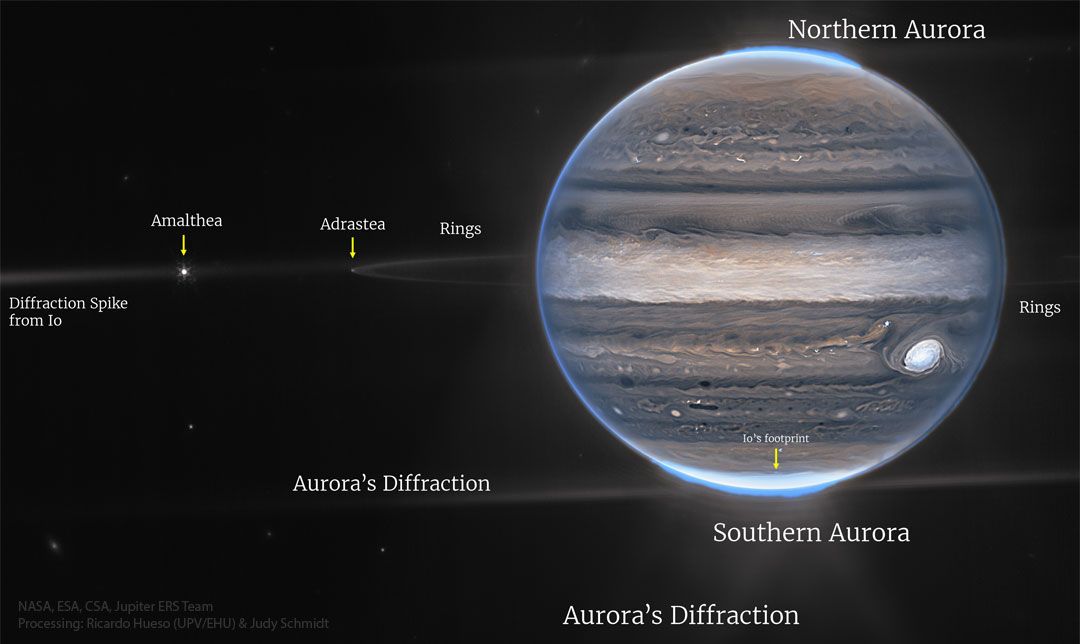
Planetary Imaging With a Smart Telescope: Jupiter and Saturn
Smart telescopes are built for deep-sky, not planets. Here's what Jupiter and Saturn look like through them, and how to get real detail with lucky imaging.

Guide
Traveling With a Smart Telescope: TSA, Batteries, Packing
How to fly with a Seestar, Dwarf 3, Vespera, or Odyssey — TSA lithium-battery rules, tripod carry-on realities, and packing for a dark-sky trip.
Guide
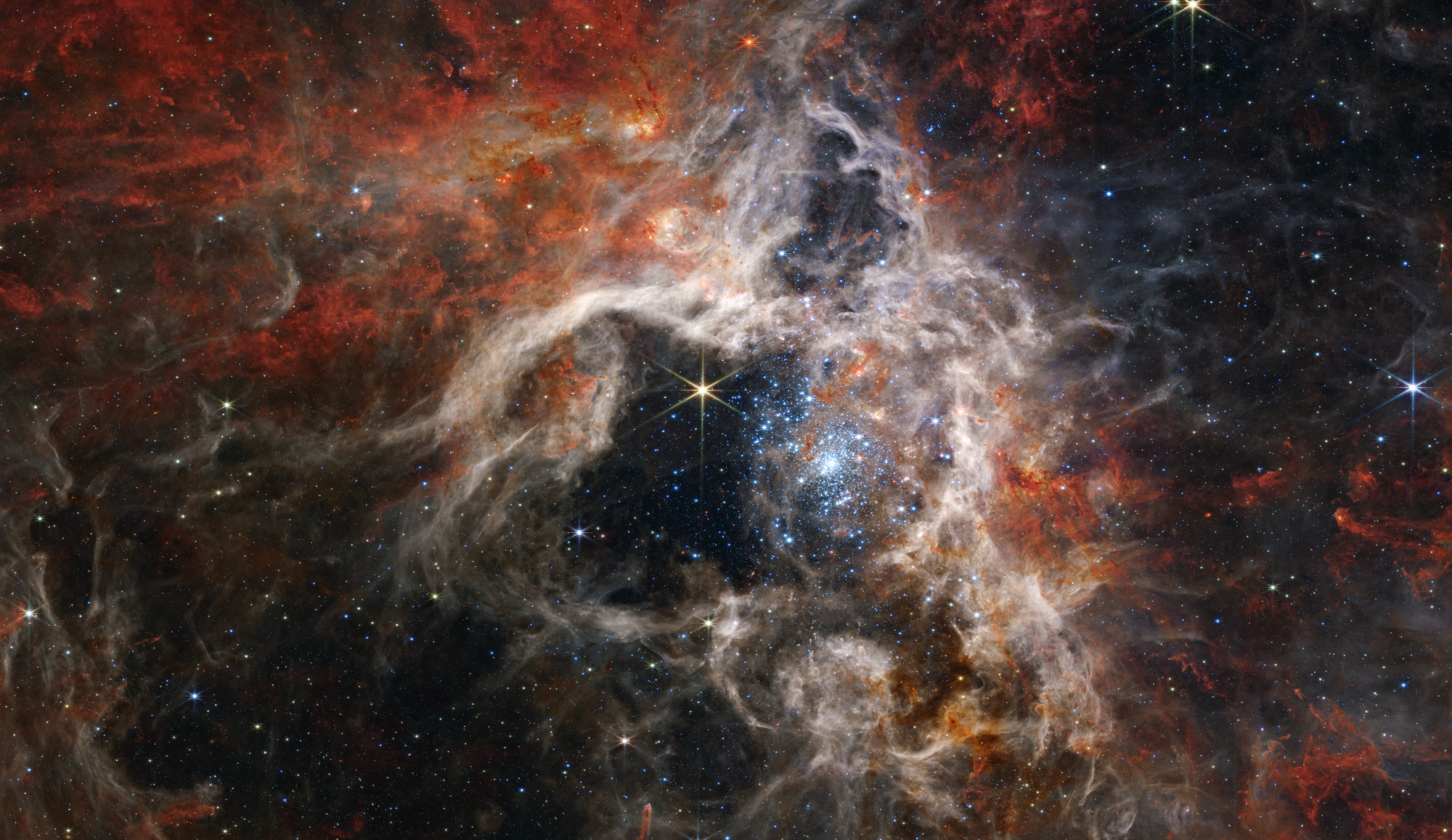
Mosaic Mode Explained: Shoot Targets Bigger Than Your FOV
How Seestar Mosaic, Dwarf 3 2×2 stitch, and Vaonis CovalENS actually work — plus which targets need mosaic mode, panel overlap, and where they fail.
Guide
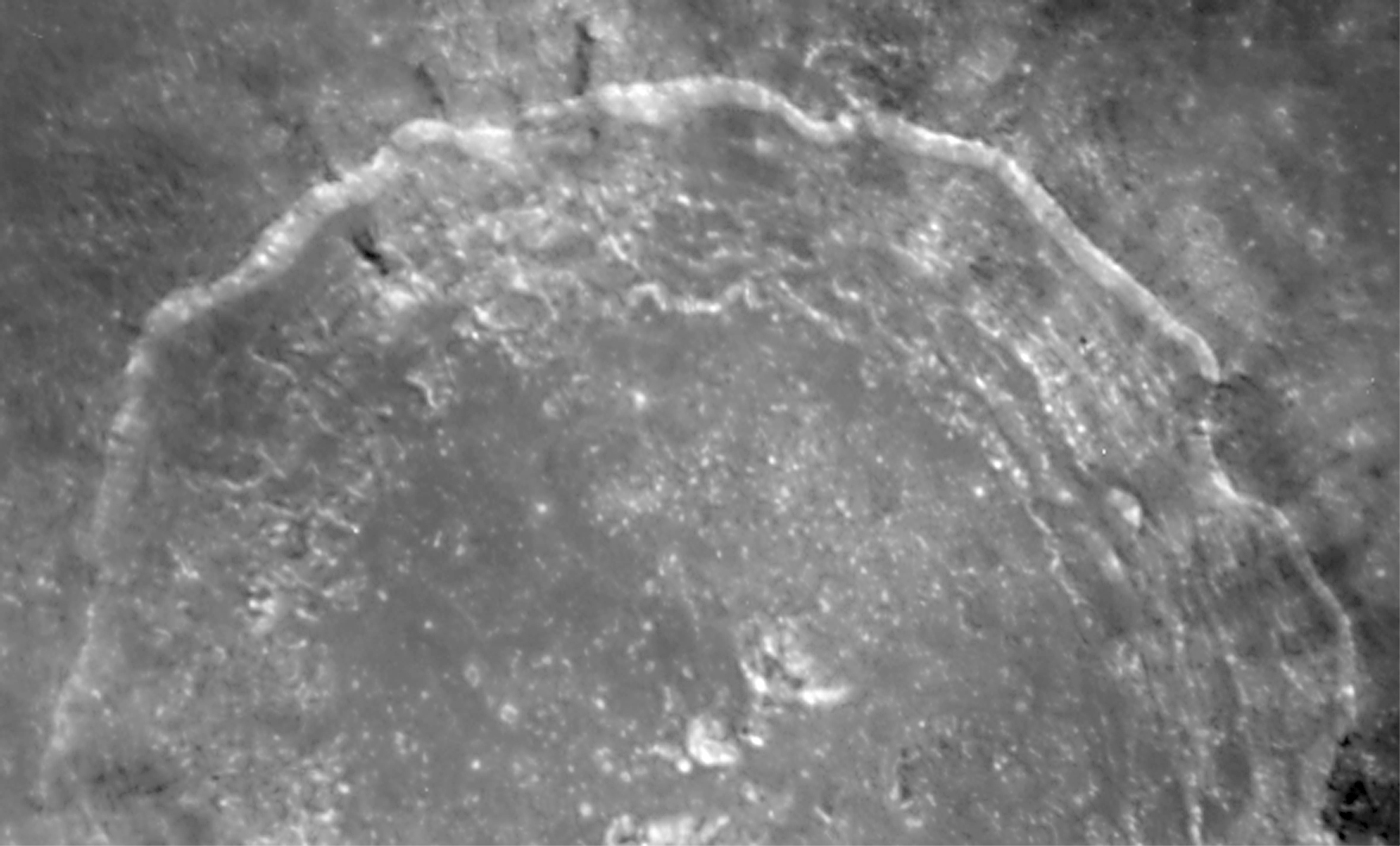
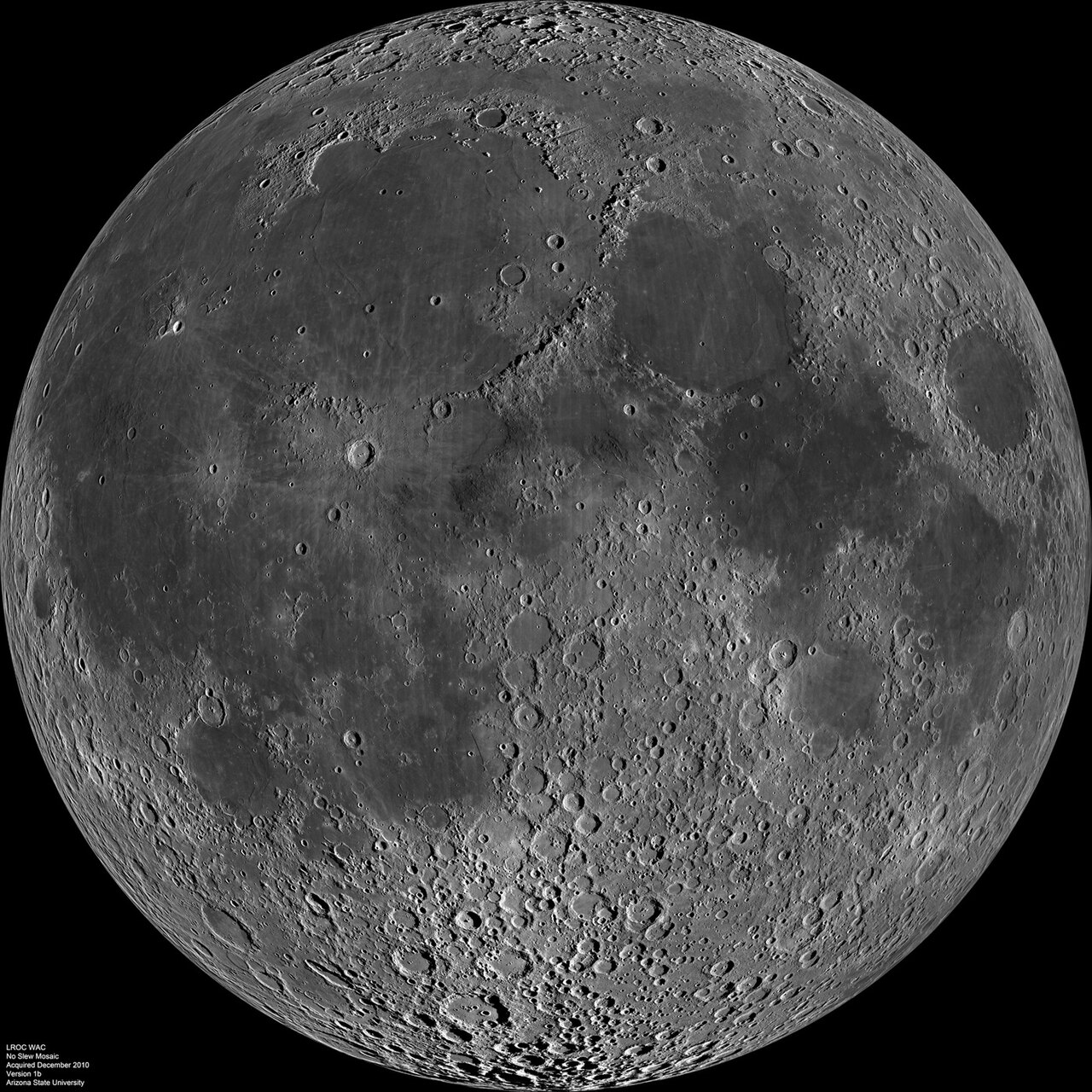
Imaging the Moon With a Smart Telescope: Full Settings Guide
Your smart telescope can shoot the Moon, but only if you get out of deep-sky mode and cut the exposure by three orders of magnitude. Here's how.
Guide
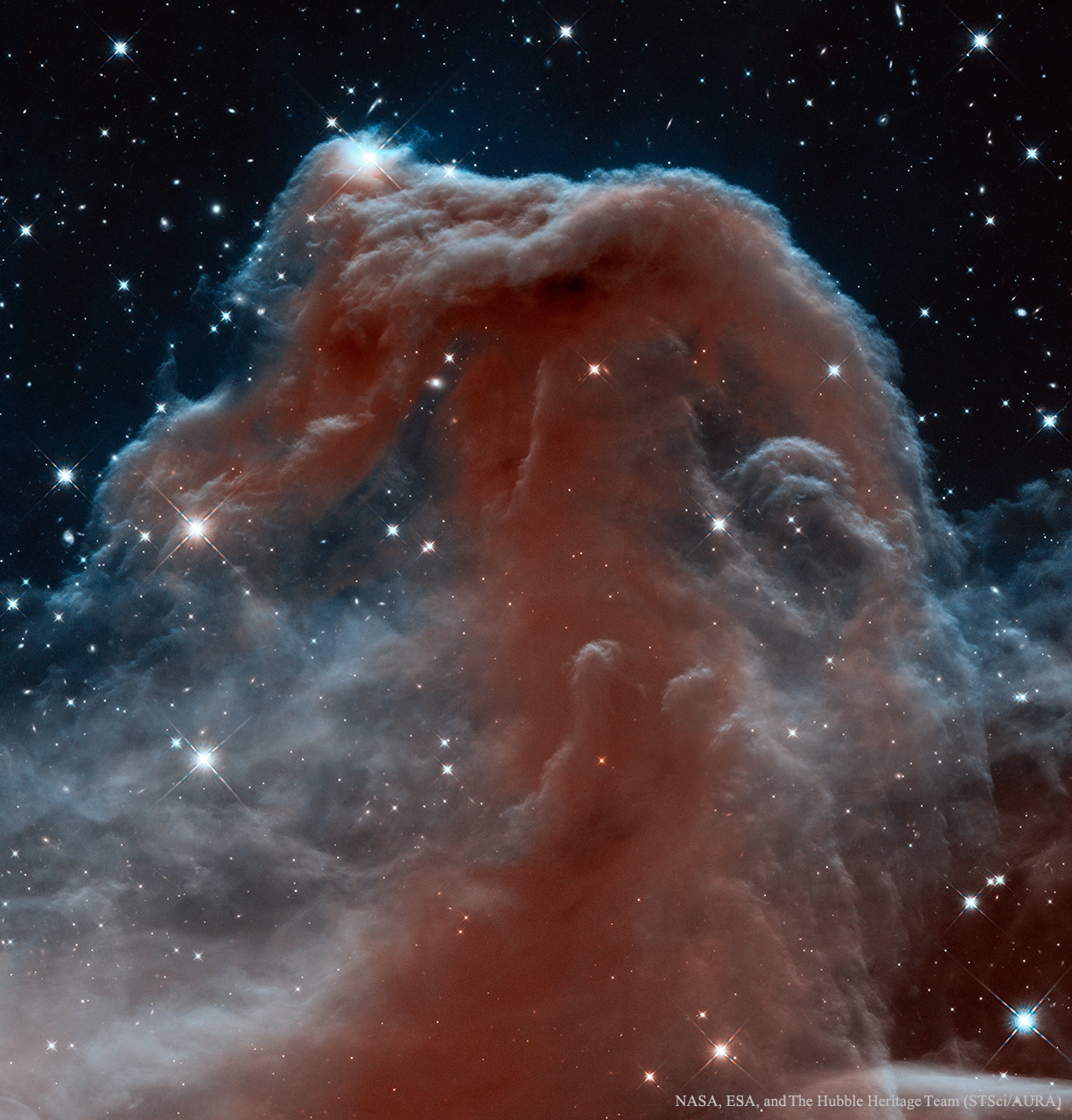
GraXpert: Removing Light-Pollution Gradients From Your Stacks
Your smart telescope stack has a light-pollution gradient — a diagonal glow you can't unsee. Here's how to remove it in five minutes with the free GraXpert.
Guide
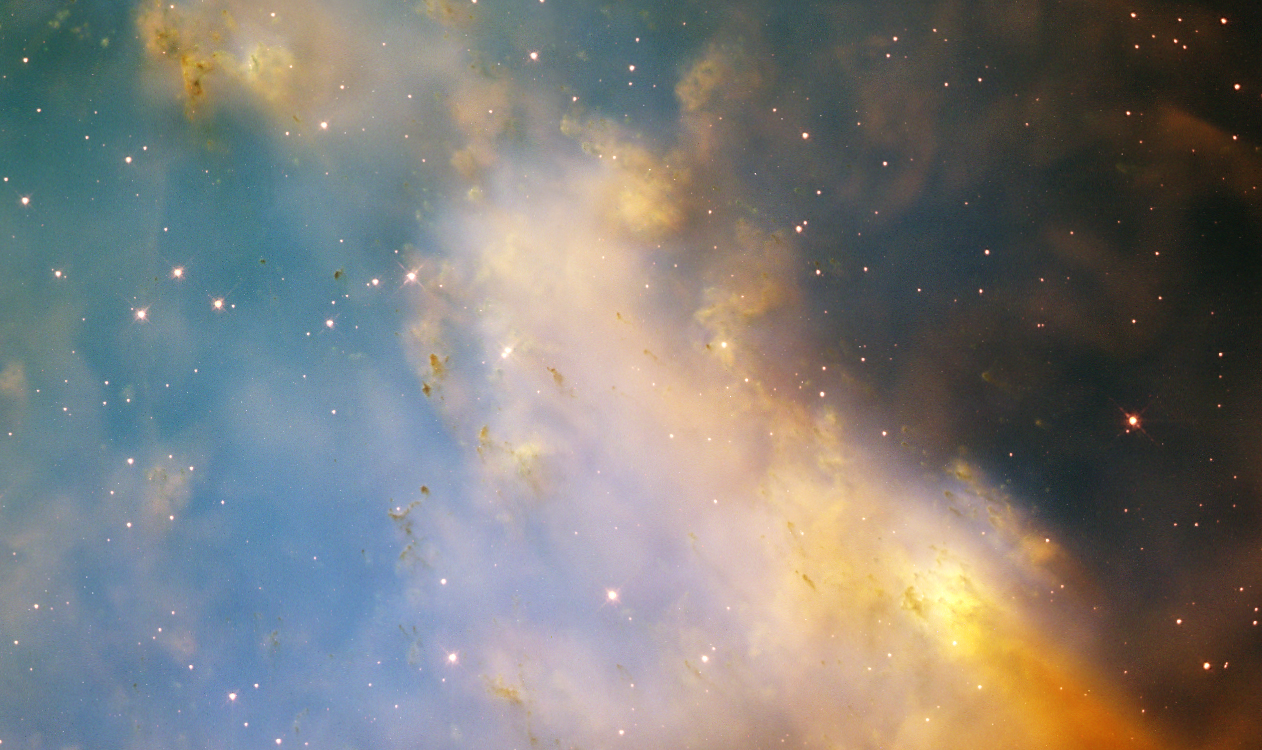
Siril for Smart Telescopes: A Beginner's Processing Guide
Your smart telescope's app-generated JPEG is a preview, not the final image. Here's how to reprocess raw Seestar or Dwarf FITS in Siril, step by step.
Guide
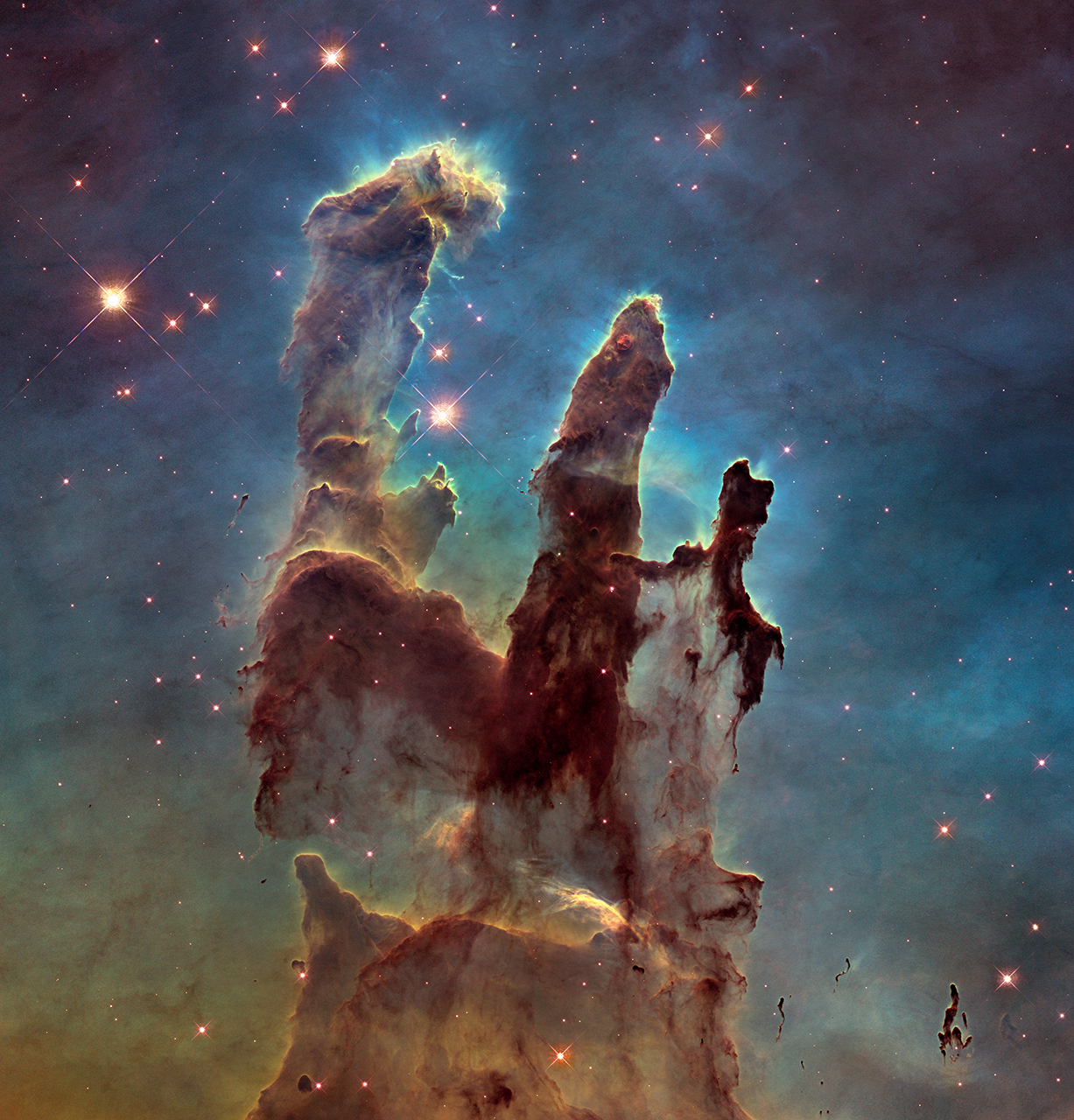
Smart Telescope Filters Explained: A Buyer's Guide
UV/IR cut, dual-band, duo-band: which smart telescope filter to use for nebulae, galaxies, and the Moon, and why the wrong one wastes your best clear night.
Buying Guide
Best Smart Telescopes in 2026: Every Price Tier
The smart telescope market now has a real price ladder, from $399 starter scopes to $4,999 observatory rigs. Here's what each tier actually buys you.
Start Here
Your First Night With a Smart Telescope: A 30-Minute Guide
The sky is clear and the box is open. Here's the first-night sequence that gets you from lawn to finished astrophoto in 30 minutes, plus 3 mistakes to avoid.